 |
...OUR IOWA FAMILY |
|
|
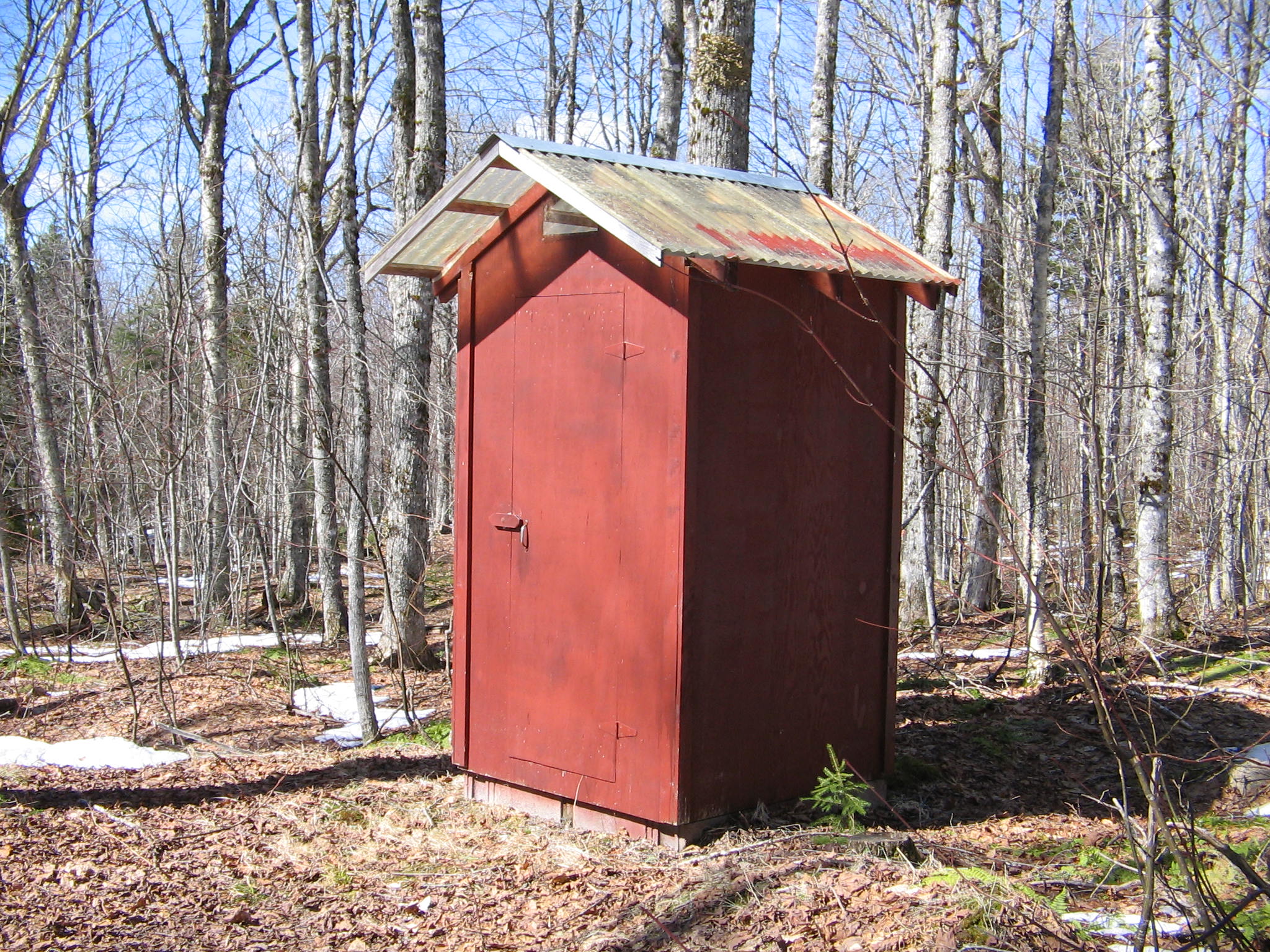
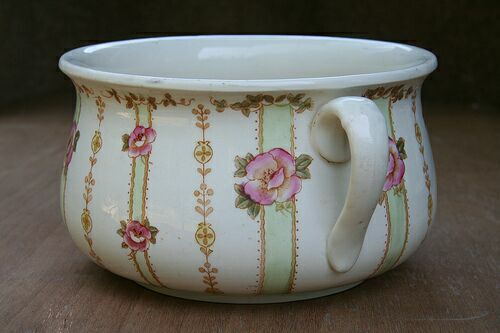
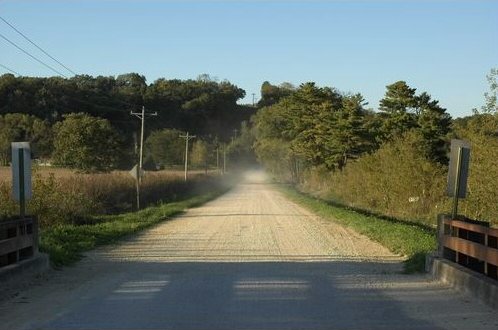
Imagine our ancestors coming to Iowa and settling down in houses they had to build for themselves and farming on land they had to clear and ready for farming themselves, and all this with no power tools or motorized vehicles. And no Home Depot. They had no indoor plumbing (they arrived in Iowa in the 1860s and 70s and even in 1921 only one percent of homes in the U.S. had indoor plumbing), and thus no running water (to wash your hands and face there was a pitcher of water and a washbasin in the bedroom), no heating other than a wood stove and fireplace, no air conditioning (not even electric fans), no vacuum cleaner, no electric blankets, no telephone, no washing machine or dryer, no garbage disposal, no dishwasher, no electricity or gas, no refrigerator or freezer, no convenience foods -- fruits and vegetables that were grown in the garden were canned by the housewife; potatoes and other root vegetables (among other food items that needed to stay cool and at a constant temperature so they wouldn't rot or sprout) were stored in the root cellar, chickens were raised for their meat and eggs, milk came directly from cows, butter was made from cream that rose to the top of milk -- though sometimes the things your home farm produced were traded for what what other people's farms produced, if you didn't happen to have a cow, for example. Bread, pies, cakes, and candy were homemade. Of course there were no microwave ovens nor computers nor televisions. There was no bathroom (some kind of a wash tub was brought into the kitchen, into which water heated on the stove was poured for once-a-week baths; everyone taking their turn in the same water, the father first); and the "toilet" they used was outside in a small wooden outhouse with a wood seat with one or two holes carved into it -- small and large, one for children, one for adults -- on which to sit above a hole in the ground ... with no store-bought toilet paper (maybe pages from a catalog instead), and no spray deodorizer. If it was too cold or stormy or they didn't have time to make it to the outhouse, they had containers under the bed (called chamber pots or thunder mugs) that they used instead, later carrying them outside and dumping their contents into the outhouse hole in the ground. There were no paper towels or facial tissue (they used cloth handkerchiefs to blow their noses with). There were no cars, no trucks, no tractors -- no motorized vehicles of any kind, and no paved roads. It was quiet most of the time, except when it was stormy. They were probably thrilled and very grateful whenever something new came along that made life less difficult for them and provided some entertainment, but for a long time there was nothing but people, and what they could do for themselves. These are the circumstances our Iowa ancestors faced when they first went to Iowa in the 19th century, and most of these inconveniences lasted for a long time, even well into the 20th century, especially for those who lived on farms. Those who settled in towns of course had conveniences sooner than those who did not, but they were nothing like what we have today, no matter that they seemed practically miraculous back then. So all of our ancestors who were born by the year 1900, no matter how long they lived, at least started out with a life quite, quite different than ours, and most of those people continued to be self-sufficient and thrifty and self-entertaining their whole lives long as this is how they were raised.
"Our Iowa Family" is about . . . our Iowa family! We have focused on our direct ancestors who either moved to Iowa to live at some point during their lives or else were born there -- before the year 1900. We hope this will give our fellow descendants a little bit of a sense of what life was like for those people we descend from who have only been names to us before, or else whom we have never even heard of. At some point in the future we'll follow this up with what we're for the time being calling the Addendum. You can read about the Addendum in the Preface. There's also a little bit about it on the Questions & Answers page. The Preface might best be saved for later as it's long and not very exciting, and the Questions and Answers might wait until later, too, after you think of some questions yourself. We recommend you start out with the Table of Contents, where you can choose where you want to start out, and sample some pages and decide what you want to go back to later. |
...OUR IOWA FAMILY |